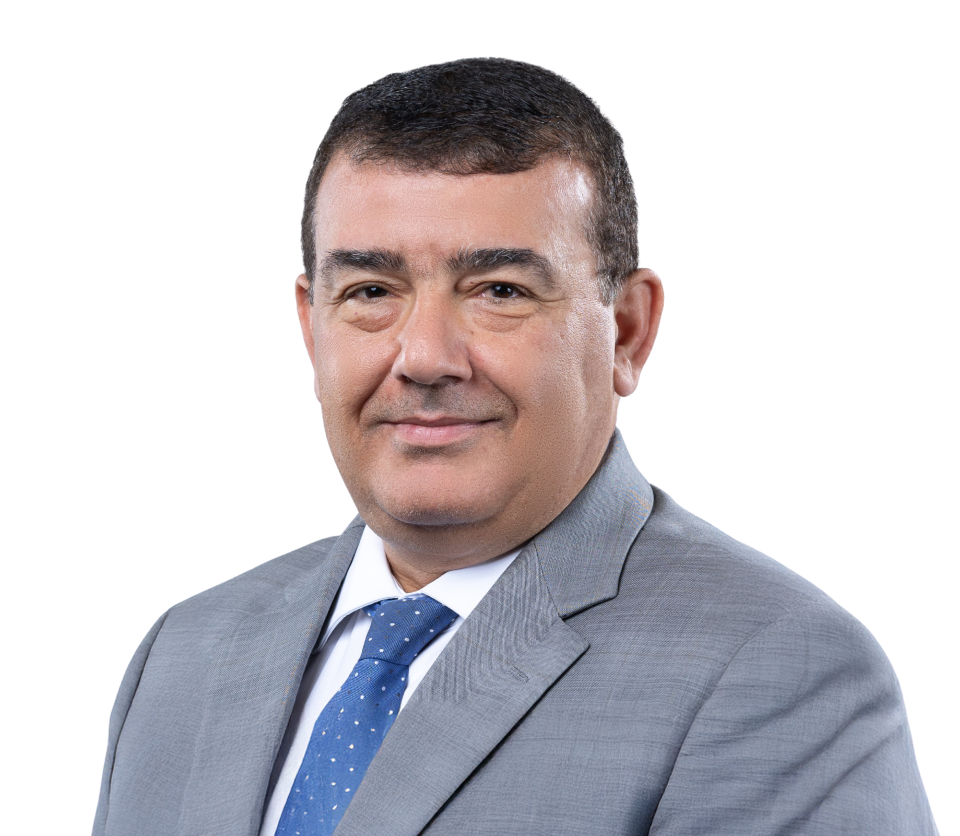
Meet Our Featured Speakers


WATER TREATMENT

The global oil and gas industry faces rising regulatory, environmental, and operational pressures to address one of its largest by-products: produced water. Managing this water sustainably and cost-effectively has emerged as a critical priority for shale operators, upstream service companies, technology providers, and regulators alike. The objective is clear: reduce the environmental footprint of produced water while optimising its reuse and ensuring compliance with progressively strict discharge standards. Middle East Produced Water Management 2026 unites the industry’s leading voices to explore how innovative treatment technologies, policy frameworks, and collaborative initiatives can unlock new opportunities for growth and sustainability across upstream and midstream operations.

Show more

Treatment strategies for produced water continue to evolve rapidly. Across multiple regions, there is a growing shift toward advanced treatment methods intended to address complex contaminants, variable water chemistries, and diverse reuse objectives. Membrane filtration systems, advanced oxidation processes, electrocoagulation, and next-generation biological treatments show strong potential to meet regulatory requirements while lowering overall operational costs. In shale plays, for example, the integration of modular and mobile treatment units allows operators to recycle water on-site, substantially reducing freshwater withdrawals and disposal volumes. These advancements not only lessen environmental impacts but also create opportunities for service providers and equipment manufacturers to deliver specialised solutions suited to local geology and regulatory requirements.

Innovations, Compliance, and Cost Optimisation

The potential impacts of produced water management technologies are significant. Studies show that effective treatment and recycling can reduce disposal volumes by up to 60% in certain shale basins while providing reliable water sources for hydraulic fracturing and other operations. This not only reduces dependence on freshwater resources but also lowers trucking and injection costs, decreasing overall operating expenses. Technologies such as membrane bioreactors, electrochemical treatment systems, and hybrid processes have gained traction at scale, demonstrating that high-volume produced water can be treated efficiently and reused safely.

Equally important are the regulatory and compliance frameworks shaping the industry. Across North America, the Middle East, and other producing regions, stricter water management standards are now in place, requiring improved monitoring, traceability, and treatment performance. For stakeholders, this presents both challenges and opportunities. Companies that adopt advanced water management practices early establish themselves as industry leaders, securing favourable regulatory standing and gaining competitive advantages. Middle East Produced Water Management 2026 serves as a platform where operators, regulators, and technology developers align strategies and share best practices to accelerate the industry-wide adoption of innovative solutions.

Opportunities for Stakeholders in Produced Water

Produced water management is no longer solely an environmental necessity; it is a business imperative and a source of strategic advantage. Shale operators can realise significant cost savings through on-site reuse and reduced disposal needs. Service companies and technology providers have the opportunity to develop scalable solutions, including modular treatment units, AI-enabled water quality monitoring, and predictive maintenance systems. Financial institutions and investors are placing greater focus on companies demonstrating sustainable water management practices, as ESG performance has emerged as a key factor in capital allocation decisions.

For key decision authorities, researchers, and industry leaders attending Middle East Produced Water Management 2026, the message is clear: the industry’s produced water challenge also represents its greatest opportunity. By investing in advanced technologies, forming strong partnerships with regulators and technology innovators, and adopting circular water use models, the oil and gas industry can achieve greater efficiency, resilience, and sustainability. Middle East Produced Water Management 2026 will showcase leading solutions, present case studies from across the globe, and provide actionable insights that enable stakeholders to take informed actions that enhance both business performance and environmental stewardship.

our sponsors

arrow icon
advanced_sensors_logocetco_energy_services_logoinov8_systems_limited_logonationalenergyservices_logo
arrow icon

Topics on the agenda

LOW COST PRODUCED WATER TREATMENT AS PART OF ENHANCED OIL RECOVERY SYSTEM FOR A MARGINAL FIELD

Day 1: undefined

09:40 - 10:05

IMPROVING ULTIMATE RECOVERY AND GHG EMISSIONS VIA PRODUCED WATER TREATMENT AND REINJECTION

Day 1: undefined

12:00 - 12:25

HOLISTIC APPROACH TO ROBUSTLY DESIGN A LARGE PRODUCED WATER EXPANSION PROJECT

Day 1: undefined

14:00 - 14:25

View more topics

SUBSCRIBE FOR UPDATES

By submitting, you agree to receive email communications from the event organizers, including upcoming promotions and discounted tickets, news, and access to related events.